Buy wehavesamecolors.eu ?
We are moving the project
wehavesamecolors.eu .
Are you interested in purchasing the domain
wehavesamecolors.eu ?
domain@kv-gmbh.de · 0541-91531010
Buy wehavesamecolors.eu ?
Is it allowed to argue with teachers?
It is important to remember that teachers are authority figures in the classroom and should be treated with respect. While it is okay to ask questions or seek clarification on a topic, arguing with a teacher in a disrespectful or confrontational manner is generally not appropriate. It is important to communicate with teachers in a respectful and constructive way to foster a positive learning environment. **
Is it haram to argue with family?
In Islam, it is generally discouraged to argue with family members as maintaining good relations with family is highly emphasized. The Prophet Muhammad (peace be upon him) advised to avoid arguments and strive for peace and harmony within the family. However, if there is a need to address a certain issue or disagreement, it should be done in a respectful and constructive manner, with the intention of resolving the conflict and maintaining family ties. It is important to remember the teachings of patience, forgiveness, and kindness when dealing with family members. **

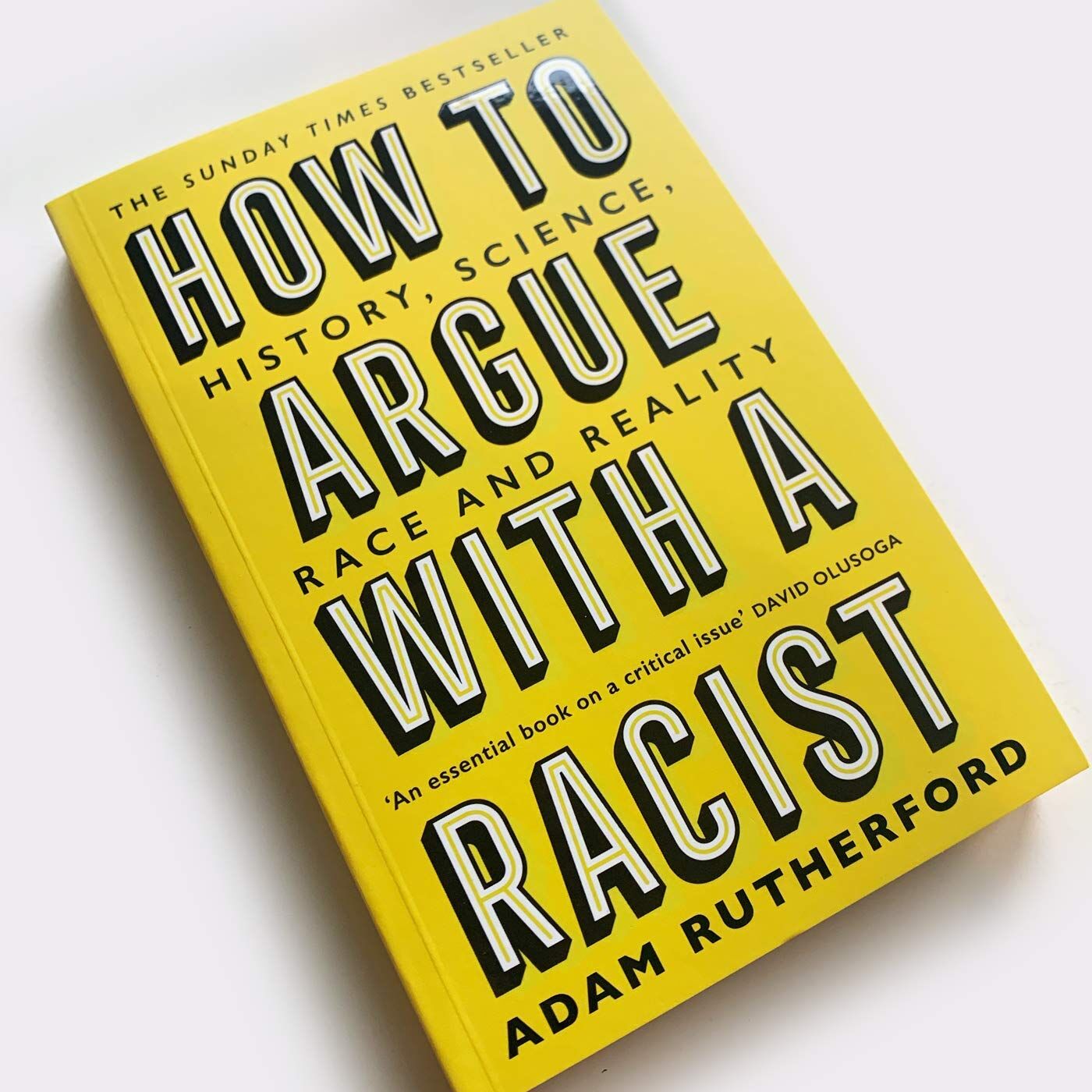
Similar search terms for How-to-Argue-With
Top-Angebote
Products related to How-to-Argue-With:
-
Mehdi Hasan, Adam Rutherford, Leil Lowndes Win Every Argument, How to Argue With a Racist, How to Talk to Anyone 3 Books Collection SetDescription. Condition: BRAND NEW. Format: Paperback. Win Every Argument:. In this riveting guide to the art of argument, British-American journalist Mehdi Hasan reveals for the first time how to communicate with confidence, rise above the tit for tats on social media, and triumph in a successful and productive debate. Whether you're making a presentation at work, conducting interviews, or debating current political issues with a friend, Hasan will teach you how to sharpen your speaking skills to make the winning case.. How to Argue With a Racist:. Racist pseudoscience may be on the rise, but science is no ally to racists. Instead science and history can be powerful allies against bigotry, granting us the clearest view of how people actually are, rather than how we judge them to be. HOW TO ARGUE WITH A RACIST dismantles outdated notions of race by illuminating what modern genetics can and can't tell us about human difference. It is a vital manifesto for a twenty-first century understanding of human evolution and variation, and a timely weapon against the misuse of science to justify racism.. How to Talk to Anyone:. In How To Talk To Anyone, bestselling relationships author and internationally renowned life coach Leil Lowndes reveals the secrets and psychology behind successful communication. These extremely usable and intelligent techniques include how to: Work a party like a politician works a room; Be an insider in any crowd; Use key words and phrases to guide the conversation; Use body language to connect.. Title. Win Every Argument, How to Argue With a Racist, How to Talk to Anyone 3 Books Collection Set. Delivery. Content. Reviews17,99 £*Shipping: 2,99 £Secure redirect to the provider
-
How to Argue With a Meat Eater (And Win Every Time) (Vermilion) - Non Fiction - PaperbackTitle:. How to Argue With a Meat Eater (And Win Every Time) Format: Paperback Overview:. How to Argue With a Meat Eater (And Win Every Time) is a practical, non-fiction guide designed for anyone who wants to bring clarity to one of modern life’s most charged conversations: meat consumption and animal welfare. Written in a calm, accessible voice, this Vermilion paperback edition offers a structured approach to discussing ethics, sustainability, health, and food choices without descending into hostility. The book emphasizes listening as a tool, asking questions, and presenting evidence in a respectful, persuasive way. It provides a toolbox of conversation techniques: framing arguments around shared values, acknowledging uncertainty, and differentiating between moral principles and personal preferences. The goal is not to shame or triumph at all costs, but to invite thoughtful dialogue that respects both sides while making a compelling case for vegan or reduced-meat choices. Readers will find practical examples, quick-reference talking points, and a strategy for keeping conversations productive even when tensions run high. This is ideal for curious omnivores, committed vegans, students of ethics or communication, and anyone who wants to navigate difficult topics with empathy and clarity. What Makes This Book Stand Out:. For a non-fiction guide, this book stands out by blending ethical reasoning with practical debate tactics, using accessible language as if speaking with a friend rather than lecturing from a podium. It focuses on the core of constructive dialogue: listening, questions, and evidence-based responses. It avoids dogmatic certainty and helps readers recognize common misdirections or logical fallacies in arguments about meat. It offers a clear framework: define the issue, outline values, present the facts, check for understanding, and agree on next steps. The tone balances advocacy with respect, making it suitable for classroom discussions, debate clubs, or quiet conversations at the dinner table. The author’s emphasis on empathy ensures readers can remain curious and open, even when faced with staunch opposition. Practical, non-judgmental, and relentlessly useful, this book works as both a quick-reference guide and a thoughtful long-term resource for anyone who wants to discuss food ethics more confidently. Who This Book Is Perfect For:. Perfect for readers who want to refine communication around contentious food choices. It’s a strong fit for vegan advocates seeking durable talking points, omnivores exploring ethical reasons to reduce meat, students studying ethics or communication, teachers guiding debates, and gift buyers looking for a thoughtful, conversation-starting present. Book clubs, ethics courses, and debate societies will appreciate the structured approach and accessible language. The paperback format makes it easy to carry to a classroom, a cafe, or a family dinner, so you can reference the framework in the moment. Whether...12,99 £*Shipping: 2,99 £Secure redirect to the provider
-
How to Argue With a Racist & The Book of Humans 4 Books Collection Set by Adam Rutherford - Non Fiction - PaperbackTitles in This Set:. How to Argue With a Racist. The Book of Humans. A Brief History of Everyone Who Ever Lived. Rutherford and Fry’s Complete Guide to Absolutely Everything (Abridged) Condition: BRAND NEW. Format: Paperback Overview:. This four-book collection gathers Adam Rutherford’s provocative exploration of genetics, humanity, and science communication into a single, accessible package. What you’re buying is a cohesive reading journey that invites curiosity, not confrontation, while equipping readers with clear, evidence-based perspectives on controversial topics. How to Argue With a Racist challenges the misuse of science in racial myths with sharp logic and compassionate argument, a vital read for informed citizenship. The Book of Humans dives into the surprising ways our biology shapes who we are, offering a lively tour of evolution, anatomy, and culture. A Brief History of Everyone Who Ever Lived reveals how our genomes carry the story of humanity—births, migrations, wars, and discoveries—pulled together into a fascinating map of our shared past. Rutherford and Fry’s Complete Guide to Absolutely Everything (Abridged) is a fast-paced, entertaining primer that demystifies time, space, and the brain with clarity and wit. Together, these four titles form a complete, gift-ready collection for science lovers, curious minds, and lifelong learners seeking engaging, credible non-fiction. What Makes This Collection Special:. Each title in the set complements the others, weaving a cohesive reading journey that deepens understanding of how science explains who we are and why we behave the way we do. From debunking myths about race to tracing the genome’s vast history, Rutherford presents complex ideas in approachable language without compromising accuracy. The pairing with Rutherford and Fry’s energetic guide adds a playful, accessible entry point for readers new to science, while rewarding more seasoned learners with fresh angles and rich context. This collection is ideal for curious non-fiction fans looking to broaden their perspectives, students preparing for exams, or gift buyers seeking a thoughtful, conversation-starting set that blends rigor with readability. Books Included in This Collection:. How to Argue With a Racist. This volume tackles a difficult but essential conversation: how to challenge racist assumptions without losing credibility or empathy. Rutherford combines genetics, history, and social science to show why biology is not a justification for prejudice, and how informed, respectful dialogue can make a real difference in public discourse. With practical arguments, real-world examples, and a calm, persuasive voice, this book equips readers to respond thoughtfully in politics, education, and everyday life. The Book of Humans. A vivid tour through the species’ biology and behavior, this book traces what makes humans distinctive—consciousness, creativity, and the quirks of our bodies. Rutherford blends science with cultural insight...25,99 £*Shipping: 2,99 £Secure redirect to the provider
-
Philip Steele, Josephine Quinn, Adam Rutherford How the World Made West, Brief History of Everyone, How to Argue Racist 3 Books Collection SetDescription. How the World Made the West:. Moving from the Bronze Age to the Age of Exploration, How the World Made the West reveals a new narrative: one that traces the millennia of global encounters and exchange that built what is now called the West, as societies met, tangled and sometimes grew apart. From the creation of the alphabet by Levantine workers in Egypt, who in a foreign land were prompted to write things down in their own language for the first time, to the arrival of Indian numbers in Europe via the Arab world, Quinn makes the case that understanding societies in isolation is both out-of-date and wrong. It is contact and connections, rather than solitary civilisations, that drive historical change. It is not peoples that make history - people do..... A Brief History of Everyone Who Ever Lived:. It is the history of who you are and how you came to be. It is unique to you, as it is to each of the 100 billion modern humans who have ever drawn breath. But it is also our collective story, because in every one of our genomes we each carry the history of our species - births, deaths, disease, war, famine, migration and a lot of sex.In this captivating journey through the expanding landscape of genetics, Adam Rutherford reveals what our genes now tell us about human history, and what history can now tell us about our genes. From Neanderthals to murder, from redheads to race, dead kings to plague, evolution to epigenetics, this is a demystifying and illuminating new portrait of who we are and how we came to be..... How to Argue With a Racist:. Racist pseudoscience may be on the rise, but science is no ally to racists. Instead science and history can be powerful allies against bigotry, granting us the clearest view of how people actually are, rather than how we judge them to be. HOW TO ARGUE WITH A RACIST dismantles outdated notions of race by illuminating what modern genetics can and can't tell us about human difference. It is a vital manifesto for a twenty-first century understanding of human evolution and variation, and a timely weapon against the misuse of science to justify racism..... Title. How the World Made West, Brief History of Everyone, How to Argue Racist 3 Books Collection Set. Delivery. Content. Reviews22,99 £*Shipping: 2,99 £Secure redirect to the provider


-
Is it normal to argue with parents?
It is normal for children and parents to have disagreements and arguments from time to time. This is a natural part of the parent-child relationship as both parties navigate different perspectives, expectations, and boundaries. However, it is important for both parents and children to communicate openly and respectfully during arguments, and to work towards finding common ground and understanding. If arguments become frequent or overly intense, it may be helpful to seek support from a therapist or counselor to improve communication and resolve underlying issues. **
-
Doesn't he want to argue with me?
It's possible that he doesn't want to argue with you. People have different communication styles and preferences, and he may prefer to avoid conflict. It's also possible that he values your relationship and wants to maintain a positive dynamic with you. It's important to communicate openly and directly with him to understand his perspective and address any concerns. **
-
Can a person not argue with someone who doesn't want to argue at all?
Yes, it is possible for a person to choose not to argue with someone who doesn't want to argue at all. In a situation where the other person is not interested in engaging in a debate or disagreement, the individual can choose to respect their wishes and avoid initiating an argument. Instead, they can seek to find common ground, communicate calmly, and work towards understanding each other's perspectives without engaging in a heated debate. Ultimately, it is important to prioritize mutual respect and effective communication in any interaction, even when disagreements arise. **
-
How do you argue with your partner?
When arguing with my partner, I try to approach the situation with empathy and understanding. I make sure to actively listen to their perspective and validate their feelings. I also express my own thoughts and feelings in a calm and respectful manner. I strive to find a solution that is mutually beneficial and work towards a resolution together. Overall, I prioritize open communication and strive to maintain a healthy and respectful dynamic in our relationship. **


Do you like to argue with each other?
As an AI, I do not have personal preferences or emotions, so I do not have the capacity to like or dislike anything, including arguing. My purpose is to provide information and assistance to the best of my abilities. **
'What can I argue with?'
You can argue with facts, evidence, logic, and reasoning. When making an argument, it's important to support your points with credible sources, data, and sound reasoning. By using these elements, you can effectively present your perspective and engage in a constructive debate or discussion. It's also important to be open to considering opposing viewpoints and being willing to adjust your argument based on new information or insights. **
Top-Angebote
Products related to How-to-Argue-With:
-
Adam Rutherford How to Argue With a Racist: History, Science, Race - Non Fiction - HardbackTitle:. How to Argue With a Racist: History, Science, Race and Reality Condition: BRAND NEW. Format: Hardcover Overview:. Race is widely perceived as a real category, but the book’s core argument is that race is a social construct while racism remains a tangible and dangerous force in society. Adam Rutherford guides readers through a rigorous tour of history, genetics, and contemporary culture to show why attempts to anchor human difference in biology are scientifically unfounded and ethically harmful. This book equips readers with clear, evidence-based explanations of how human genetic variation actually works, how populations are related, and why modern science rejects fixed racial hierarchies. It also dissects the seductive but misleading uses of data in public debates about migration, education, intelligence, and sport. Written for curious readers and students alike, the author translates complex genetics into accessible, concrete examples drawn from real-world situations, helping readers recognize pseudoscience, debunk stereotypes, and engage in constructive dialogue. The hardcover edition presents a concise, readable companion for classrooms, book clubs, or thoughtful conversations on social media, making this a vital resource in the ongoing fight against racial prejudice. What Makes This Book Stand Out:. Adam Rutherford blends a historian’s perspective with a geneticist’s precision to illuminate why race as a biological category never stood up to scrutiny, and why racism persists despite that truth. What distinguishes this work is its dual clarity and courage: it not only unpacks the science behind human diversity but also analyzes the social forces that weaponize that science to justify discrimination. Rutherford’s approach is decidedly practical—he offers approachable explanations of population genetics, discusses how data can be misinterpreted, and provides ready-to-use arguments for conversations with skeptical friends, students, or readers online. He also foregrounds the ethics of scientific communication, urging readers to demand evidence, question assumptions, and separate human value from statistical variation. This is more than a textbook; it’s a persuasive, timely guide for anyone who wants to challenge racism with intellectual honesty and empathy. Who This Book Is Perfect For:. If you’re curious about how science intersects with social justice, this book is for you. It’s ideal for students, educators, journalists, and anyone engaging in public debates about race, genetics, and identity. Parents and caregivers will value the accessible explanations that help explain difficult topics to younger readers, while book clubs and discussion groups will find ample material for thoughtful conversation. Perfect for readers who enjoy science communication, history-informed analysis, and debates about policy and culture, it also works well for BookTok and other communities seeking credible, engaging material that supports informed,...99,99 £*Shipping: 0,00 £Secure redirect to the provider
-
Orion How to Argue With a Racist by Adam Rutherford – Science, Race & Truth ExplainedRacist pseudoscience may be on the rise, but science is no ally to racists. Instead science and history can be powerful allies against bigotry, granting us the clearest view of how people actually are, rather than how we judge them to be. HOW TO ARGUE WITH A RACIST dismantles outdated notions of race by illuminating what modern genetics can and can't tell us about human difference. It is a vital manifesto for a twenty-first century understanding of human evolution and variation, and a timely weapon against the misuse of science to justify racism.3,99 £*Shipping: 1,99 £Secure redirect to the provider
-
Mehdi Hasan, Adam Rutherford, Leil Lowndes Win Every Argument, How to Argue With a Racist, How to Talk to Anyone 3 Books Collection SetDescription. Condition: BRAND NEW. Format: Paperback. Win Every Argument:. In this riveting guide to the art of argument, British-American journalist Mehdi Hasan reveals for the first time how to communicate with confidence, rise above the tit for tats on social media, and triumph in a successful and productive debate. Whether you're making a presentation at work, conducting interviews, or debating current political issues with a friend, Hasan will teach you how to sharpen your speaking skills to make the winning case.. How to Argue With a Racist:. Racist pseudoscience may be on the rise, but science is no ally to racists. Instead science and history can be powerful allies against bigotry, granting us the clearest view of how people actually are, rather than how we judge them to be. HOW TO ARGUE WITH A RACIST dismantles outdated notions of race by illuminating what modern genetics can and can't tell us about human difference. It is a vital manifesto for a twenty-first century understanding of human evolution and variation, and a timely weapon against the misuse of science to justify racism.. How to Talk to Anyone:. In How To Talk To Anyone, bestselling relationships author and internationally renowned life coach Leil Lowndes reveals the secrets and psychology behind successful communication. These extremely usable and intelligent techniques include how to: Work a party like a politician works a room; Be an insider in any crowd; Use key words and phrases to guide the conversation; Use body language to connect.. Title. Win Every Argument, How to Argue With a Racist, How to Talk to Anyone 3 Books Collection Set. Delivery. Content. Reviews17,99 £*Shipping: 2,99 £Secure redirect to the provider
-
How to Argue With a Meat Eater (And Win Every Time) (Vermilion) - Non Fiction - PaperbackTitle:. How to Argue With a Meat Eater (And Win Every Time) Format: Paperback Overview:. How to Argue With a Meat Eater (And Win Every Time) is a practical, non-fiction guide designed for anyone who wants to bring clarity to one of modern life’s most charged conversations: meat consumption and animal welfare. Written in a calm, accessible voice, this Vermilion paperback edition offers a structured approach to discussing ethics, sustainability, health, and food choices without descending into hostility. The book emphasizes listening as a tool, asking questions, and presenting evidence in a respectful, persuasive way. It provides a toolbox of conversation techniques: framing arguments around shared values, acknowledging uncertainty, and differentiating between moral principles and personal preferences. The goal is not to shame or triumph at all costs, but to invite thoughtful dialogue that respects both sides while making a compelling case for vegan or reduced-meat choices. Readers will find practical examples, quick-reference talking points, and a strategy for keeping conversations productive even when tensions run high. This is ideal for curious omnivores, committed vegans, students of ethics or communication, and anyone who wants to navigate difficult topics with empathy and clarity. What Makes This Book Stand Out:. For a non-fiction guide, this book stands out by blending ethical reasoning with practical debate tactics, using accessible language as if speaking with a friend rather than lecturing from a podium. It focuses on the core of constructive dialogue: listening, questions, and evidence-based responses. It avoids dogmatic certainty and helps readers recognize common misdirections or logical fallacies in arguments about meat. It offers a clear framework: define the issue, outline values, present the facts, check for understanding, and agree on next steps. The tone balances advocacy with respect, making it suitable for classroom discussions, debate clubs, or quiet conversations at the dinner table. The author’s emphasis on empathy ensures readers can remain curious and open, even when faced with staunch opposition. Practical, non-judgmental, and relentlessly useful, this book works as both a quick-reference guide and a thoughtful long-term resource for anyone who wants to discuss food ethics more confidently. Who This Book Is Perfect For:. Perfect for readers who want to refine communication around contentious food choices. It’s a strong fit for vegan advocates seeking durable talking points, omnivores exploring ethical reasons to reduce meat, students studying ethics or communication, teachers guiding debates, and gift buyers looking for a thoughtful, conversation-starting present. Book clubs, ethics courses, and debate societies will appreciate the structured approach and accessible language. The paperback format makes it easy to carry to a classroom, a cafe, or a family dinner, so you can reference the framework in the moment. Whether...12,99 £*Shipping: 2,99 £Secure redirect to the provider
-
Is it allowed to argue with teachers?
It is important to remember that teachers are authority figures in the classroom and should be treated with respect. While it is okay to ask questions or seek clarification on a topic, arguing with a teacher in a disrespectful or confrontational manner is generally not appropriate. It is important to communicate with teachers in a respectful and constructive way to foster a positive learning environment. **
-
Is it haram to argue with family?
In Islam, it is generally discouraged to argue with family members as maintaining good relations with family is highly emphasized. The Prophet Muhammad (peace be upon him) advised to avoid arguments and strive for peace and harmony within the family. However, if there is a need to address a certain issue or disagreement, it should be done in a respectful and constructive manner, with the intention of resolving the conflict and maintaining family ties. It is important to remember the teachings of patience, forgiveness, and kindness when dealing with family members. **
-
Is it normal to argue with parents?
It is normal for children and parents to have disagreements and arguments from time to time. This is a natural part of the parent-child relationship as both parties navigate different perspectives, expectations, and boundaries. However, it is important for both parents and children to communicate openly and respectfully during arguments, and to work towards finding common ground and understanding. If arguments become frequent or overly intense, it may be helpful to seek support from a therapist or counselor to improve communication and resolve underlying issues. **
-
Doesn't he want to argue with me?
It's possible that he doesn't want to argue with you. People have different communication styles and preferences, and he may prefer to avoid conflict. It's also possible that he values your relationship and wants to maintain a positive dynamic with you. It's important to communicate openly and directly with him to understand his perspective and address any concerns. **
Similar search terms for How-to-Argue-With
-
How to Argue With a Racist & The Book of Humans 4 Books Collection Set by Adam Rutherford - Non Fiction - PaperbackTitles in This Set:. How to Argue With a Racist. The Book of Humans. A Brief History of Everyone Who Ever Lived. Rutherford and Fry’s Complete Guide to Absolutely Everything (Abridged) Condition: BRAND NEW. Format: Paperback Overview:. This four-book collection gathers Adam Rutherford’s provocative exploration of genetics, humanity, and science communication into a single, accessible package. What you’re buying is a cohesive reading journey that invites curiosity, not confrontation, while equipping readers with clear, evidence-based perspectives on controversial topics. How to Argue With a Racist challenges the misuse of science in racial myths with sharp logic and compassionate argument, a vital read for informed citizenship. The Book of Humans dives into the surprising ways our biology shapes who we are, offering a lively tour of evolution, anatomy, and culture. A Brief History of Everyone Who Ever Lived reveals how our genomes carry the story of humanity—births, migrations, wars, and discoveries—pulled together into a fascinating map of our shared past. Rutherford and Fry’s Complete Guide to Absolutely Everything (Abridged) is a fast-paced, entertaining primer that demystifies time, space, and the brain with clarity and wit. Together, these four titles form a complete, gift-ready collection for science lovers, curious minds, and lifelong learners seeking engaging, credible non-fiction. What Makes This Collection Special:. Each title in the set complements the others, weaving a cohesive reading journey that deepens understanding of how science explains who we are and why we behave the way we do. From debunking myths about race to tracing the genome’s vast history, Rutherford presents complex ideas in approachable language without compromising accuracy. The pairing with Rutherford and Fry’s energetic guide adds a playful, accessible entry point for readers new to science, while rewarding more seasoned learners with fresh angles and rich context. This collection is ideal for curious non-fiction fans looking to broaden their perspectives, students preparing for exams, or gift buyers seeking a thoughtful, conversation-starting set that blends rigor with readability. Books Included in This Collection:. How to Argue With a Racist. This volume tackles a difficult but essential conversation: how to challenge racist assumptions without losing credibility or empathy. Rutherford combines genetics, history, and social science to show why biology is not a justification for prejudice, and how informed, respectful dialogue can make a real difference in public discourse. With practical arguments, real-world examples, and a calm, persuasive voice, this book equips readers to respond thoughtfully in politics, education, and everyday life. The Book of Humans. A vivid tour through the species’ biology and behavior, this book traces what makes humans distinctive—consciousness, creativity, and the quirks of our bodies. Rutherford blends science with cultural insight...25,99 £*Shipping: 2,99 £Secure redirect to the provider
-
Philip Steele, Josephine Quinn, Adam Rutherford How the World Made West, Brief History of Everyone, How to Argue Racist 3 Books Collection SetDescription. How the World Made the West:. Moving from the Bronze Age to the Age of Exploration, How the World Made the West reveals a new narrative: one that traces the millennia of global encounters and exchange that built what is now called the West, as societies met, tangled and sometimes grew apart. From the creation of the alphabet by Levantine workers in Egypt, who in a foreign land were prompted to write things down in their own language for the first time, to the arrival of Indian numbers in Europe via the Arab world, Quinn makes the case that understanding societies in isolation is both out-of-date and wrong. It is contact and connections, rather than solitary civilisations, that drive historical change. It is not peoples that make history - people do..... A Brief History of Everyone Who Ever Lived:. It is the history of who you are and how you came to be. It is unique to you, as it is to each of the 100 billion modern humans who have ever drawn breath. But it is also our collective story, because in every one of our genomes we each carry the history of our species - births, deaths, disease, war, famine, migration and a lot of sex.In this captivating journey through the expanding landscape of genetics, Adam Rutherford reveals what our genes now tell us about human history, and what history can now tell us about our genes. From Neanderthals to murder, from redheads to race, dead kings to plague, evolution to epigenetics, this is a demystifying and illuminating new portrait of who we are and how we came to be..... How to Argue With a Racist:. Racist pseudoscience may be on the rise, but science is no ally to racists. Instead science and history can be powerful allies against bigotry, granting us the clearest view of how people actually are, rather than how we judge them to be. HOW TO ARGUE WITH A RACIST dismantles outdated notions of race by illuminating what modern genetics can and can't tell us about human difference. It is a vital manifesto for a twenty-first century understanding of human evolution and variation, and a timely weapon against the misuse of science to justify racism..... Title. How the World Made West, Brief History of Everyone, How to Argue Racist 3 Books Collection Set. Delivery. Content. Reviews22,99 £*Shipping: 2,99 £Secure redirect to the provider
-
Orion Adam Rutherford 3 Books Collection Set (A Brief History of Everyone Who Ever Lived, How to Argue With a Racist & The Book of Humans)Adam Rutherford 3 Books Collection Set How to Argue With a Racist Race is real because we perceive it. Racism is real because we enact it. But the appeal to science to strengthen racist ideologies is on the rise - and increasingly part of the public discourse on politics, migration, education, sport and intelligence. Stereotypes and myths about race are expressed not just by overt racists, but also by well-intentioned people whose experience and cultural baggage steer them towards views that are not supported by the modern study of human genetics. Even some scientists are uncomfortable expressing opinions deriving from their research where it relates to race. The Book of Humans In this thrilling tour of the animal kingdom, Adam Rutherford tells the story of how we became the unique creatures we are today. Illuminated by the latest scientific discoveries, THE BOOK OF HUMANS is a dazzling compendium of what unequivocally fixes us as animals, and reveals how we are extraordinary among them. A Brief History of Everyone Who Ever Lived This is a story about you. It is the history of who you are and how you came to be. It is unique to you, as it is to each of the 100 billion modern humans who have ever drawn breath. But it is also our collective story, because in every one of our genomes we each carry the history of our species - births, deaths, disease, war, famine, migration and a lot of sex.In this captivating journey through the expanding landscape of genetics, Adam Rutherford reveals what our genes now tell us about human history, and what history can now tell us about our genes.12,99 £*Shipping: 2,99 £Secure redirect to the provider
-
How to Argue With a Racist, The Book of Humans & A Brief History of Everyone Who Ever Lived 3 Books Collection Set by Adam Rutherford - Non Fiction -Titles in This Set:. How to Argue With a Racist. The Book of Humans. A Brief History of Everyone Who Ever Lived Condition: BRAND NEW. Format: Paperback. ISBN: 9781474611251 9781780229089 9781780229072 Overview:. Three critically engaging, thought-provoking explorations from Adam Rutherford come together in this intelligent collection. How to Argue With a Racist uses rigorous science to dissect harmful myths about race, showing how outdated assumptions persist even in well-meaning discourse and offering clear, evidence-based arguments for challenging prejudice in everyday conversation. The Book of Humans invites readers into a lively tour of the animal kingdom to uncover what truly defines humanity, blending genetics, evolution, and culture into a readable narrative about what makes us uniquely human. A Brief History of Everyone Who Ever Lived sweeps across time and genomes to reveal how our 100 billion ancestors shaped who we are today, linking births, migrations, and wars to the genes we carry. Together, these titles form a complete, accessible pathway through genetics, history, and identity—perfect for curious minds, students, teachers, and anyone who loves science written with warmth and clarity. What Makes This Collection Special:. This is more than a trio of stellar science titles; it is a cohesive journey into how our genes narrate who we are. Rutherford threads rigorous research with approachable storytelling, making complex topics like population genetics, human history, and racial discourse feel immediate and relevant. The set is structured to build understanding—from debunking myths to tracing humanity’s shared origins—creating a logical progression that supports independent reading or classroom discussion. With consistent authorial voice and accessible prose, the collection offers a binge-reading experience that deepens knowledge, sparks conversation, and equips readers to engage confidently in conversations about science and society. Books Included in This Collection:. How to Argue With a Racist. This book dives into why racial myths persist and how scientific literacy can empower readers to counter misinformation with calm, evidence-based responses. Rutherford treats sensitive topics with nuance, encouraging readers to challenge biased statements without demonising people. He blends genetics, history, and critical thinking into a practical toolkit for respectful, informed dialogue—ideal for readers who want to understand the science behind race debates and learn constructive ways to engage in difficult conversations. The Book of Humans. A vivid examination of humanity through the lens of biology and culture, this volume asks what it means to be human when we share much of our DNA with other primates and yet are uniquely inventive and creative. Rutherford builds a narrative that is as entertaining as it is enlightening, exploring how our genomes reflect our lives—from imagination and art to disease and adaptation. It’s a compelling...12,99 £*Shipping: 2,99 £Secure redirect to the provider
-
Can a person not argue with someone who doesn't want to argue at all?
Yes, it is possible for a person to choose not to argue with someone who doesn't want to argue at all. In a situation where the other person is not interested in engaging in a debate or disagreement, the individual can choose to respect their wishes and avoid initiating an argument. Instead, they can seek to find common ground, communicate calmly, and work towards understanding each other's perspectives without engaging in a heated debate. Ultimately, it is important to prioritize mutual respect and effective communication in any interaction, even when disagreements arise. **
-
How do you argue with your partner?
When arguing with my partner, I try to approach the situation with empathy and understanding. I make sure to actively listen to their perspective and validate their feelings. I also express my own thoughts and feelings in a calm and respectful manner. I strive to find a solution that is mutually beneficial and work towards a resolution together. Overall, I prioritize open communication and strive to maintain a healthy and respectful dynamic in our relationship. **
-
Do you like to argue with each other?
As an AI, I do not have personal preferences or emotions, so I do not have the capacity to like or dislike anything, including arguing. My purpose is to provide information and assistance to the best of my abilities. **
-
'What can I argue with?'
You can argue with facts, evidence, logic, and reasoning. When making an argument, it's important to support your points with credible sources, data, and sound reasoning. By using these elements, you can effectively present your perspective and engage in a constructive debate or discussion. It's also important to be open to considering opposing viewpoints and being willing to adjust your argument based on new information or insights. **
* All prices are inclusive of VAT and, if applicable, plus shipping costs. The offer information is based on the details provided by the respective shop and is updated through automated processes. Real-time updates do not occur, so deviations can occur in individual cases. ** Note: Parts of this content were created by AI.