Buy wehavesamecolors.eu ?
We are moving the project
wehavesamecolors.eu .
Are you interested in purchasing the domain
wehavesamecolors.eu ?
domain@kv-gmbh.de · 0541-91531010
Buy wehavesamecolors.eu ?
Is psychiatry bad?
Psychiatry itself is not inherently bad. It is a medical specialty that focuses on the diagnosis, treatment, and prevention of mental illnesses. However, like any field of medicine, there can be instances of unethical practices, overmedication, or misdiagnosis. It is important to recognize that there are both positive and negative aspects to psychiatry, and it is crucial to approach mental health care with a critical and informed perspective. Overall, psychiatry can be beneficial when practiced ethically and with the best interest of the patient in mind. **
Psychiatry or psychotherapy?
The choice between psychiatry and psychotherapy depends on the individual's specific needs and circumstances. Psychiatry involves the use of medication to treat mental health conditions, while psychotherapy involves talking with a trained therapist to address emotional and psychological issues. In some cases, a combination of both psychiatry and psychotherapy may be the most effective approach. It's important to consult with a mental health professional to determine the best course of treatment for each individual. **

Similar search terms for Psychiatry
Top-Angebote
Products related to Psychiatry:
-
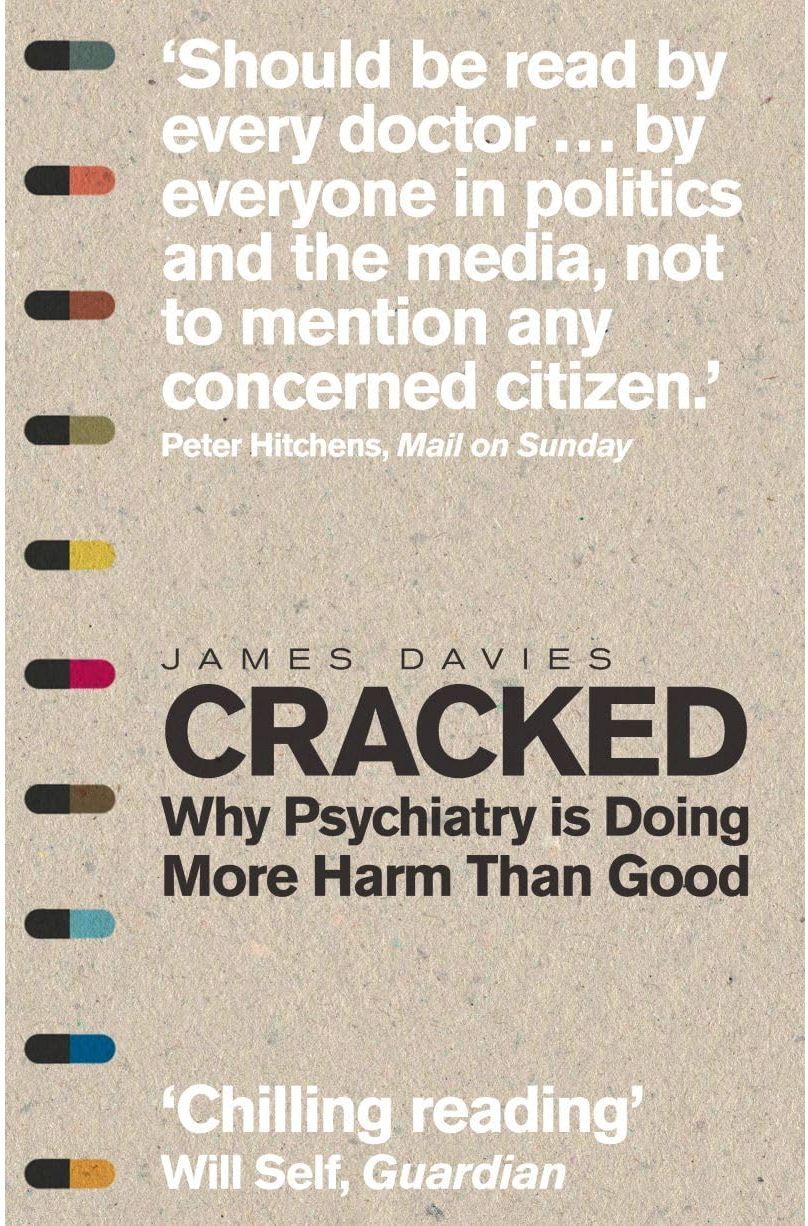
Various Publishers James Davies Collection 2 Books Set: Cracked & Sedated - Paperback - Psychology & Psychiatry Non Fiction - Mental Health CritiqueThis paperback collection brings together James Davies' most influential critiques of modern mental healthcare. Cracked exposes the pseudo-science behind psychiatric diagnosis, while Sedated examines how capitalism fuels our mental health crisis. Together, they offer an evidence-based challenge to how society understands, treats and profits from emotional distress, making this set essential reading for anyone questioning the medicalisation of everyday suffering. The books in this set include Cracked: Why Psychiatry is Doing More Harm Than Good and Sedated: How Modern Capitalism Created our Mental Health Crisis. They are written by James Davies, a psychotherapist and anthropologist, and draw on interviews with leading psychiatrists, including a key DSM architect. The books are published by Icon Books and Atlantic Books, and have the ISBNs 9781848316546 (Cracked) and 9781786499875 (Sedated).10,99 £*Shipping: 2,99 £Secure redirect to the provider
-
Faber This Book Will Change Your Mind About Mental Health by Nathan Filer - Paperback - A Journey into the Heartland of Psychiatry - Non FictionThis Book Will Change Your Mind About Mental Health by Nathan Filer is a thought-provoking work of narrative non-fiction. Blending memoir, reportage and expert analysis, Filer draws on his own experience as a mental health nurse to explore what mental illness really means, challenging the myths and assumptions that surround it. Written by a former mental health nurse turned award-winning author, this book takes readers on a journey through the history, science and lived experience of psychiatry. Nathan Filer combines the storytelling instincts that made his debut novel a bestseller with rigorous, evidence-based reporting to ask difficult questions about diagnosis, treatment and the complexities of mental health.4,99 £*Shipping: 2,99 £Secure redirect to the provider
-
James Davies & Ichiro Kishimi Cracked: Why Psychiatry Is Doing More Harm Than Good & The Courage To Be Disliked 2 Books Collection Set - Non FictionTitles in This Set:. Cracked: Why Psychiatry is Doing More Harm Than Good. The Courage To Be Disliked: How to free yourself, change your life and achieve real happiness. Condition: BRAND NEW. Format: Paperback. ISBN: 9789124102210. Overview:. Two provocative non-fiction titles sit at the crossroads of psychology, philosophy, and personal growth in this carefully chosen two-book collection. Cracked: Why Psychiatry is Doing More Harm Than Good presents a sharp, well-argued case against the over-medicalization of emotional distress, inviting readers to question conventional diagnostic labels and the pharmaceutical industry's influence on treatment. The author blends historical context, policy analysis, and patient experiences to illuminate how systemic pressures can shape care more than individual need. This is not anti-science; it’s a call for more rigorous, humane approaches that respect autonomy and the full spectrum of human distress. The Courage To Be Disliked offers a practical, life-changing framework drawn from Adlerian psychology: a candid exploration of how our beliefs about others’ approval shape our choices, and how choosing authenticity and responsibility can unlock genuine happiness. Together, the set equips readers to think critically about mental health and to adopt empowering strategies for everyday life. Ideal for curious readers, students of psychology, and anyone exploring what true wellbeing means in modern society.. What Makes This Collection Special:. Unlike a generic pairing, this collection blends rigorous critique with accessible self-help in a purposeful reading arc. Cracked challenges the status quo of psychiatry—its diagnoses, medications, and the commercial forces that influence care—inviting readers to demand transparency, patient autonomy, and evidence-based alternatives. The Courage To Be Disliked translates deep philosophy into practical steps: shedding the need for external validation, redefining success, and building a life aligned with personal values. Read together, they create a compelling journey from critical inquiry to actionable life-change, making the set ideal for book clubs, classroom discussions, or quiet, reflective reading. The cohesive paperback design and dual perspective make it a thoughtful gift for graduates, professionals, and anyone seeking a more deliberate, resilient approach to mind and life.. Books Included in This Collection:. Cracked: Why Psychiatry is Doing More Harm Than Good. This incisive critique argues that modern psychiatry’s reliance on medication and diagnostic labels can oversimplify distress while obscuring its social context. Davies traces how market forces, policy choices, and professional incentives shape treatment ideas, urging readers to demand greater transparency and patient-centered care. Written in clear, non-specialist language, it equips readers to ask the right questions of clinicians, weigh options beyond drugs, and consider alternatives that respect autonomy and...7,99 £*Shipping: 2,99 £Secure redirect to the provider
-
Neositrin Complementary Shampoo 100 mlHealth and Beauty Shampoos Neositrin Complementary Shampoo 100 ml Neositrín Shampoo, with quassia amara extract, easily removes lice and nits, leaving hair clean and shiny. It has a pleasant scent and is hypoallergenic.11,30 £*Shipping: 3,99 £Secure redirect to the provider


-
Is psychiatry dangerous?
Psychiatry itself is not inherently dangerous, as it is a medical specialty focused on diagnosing and treating mental health disorders. However, there are potential risks associated with certain psychiatric treatments, such as medications and electroconvulsive therapy (ECT). These treatments can have side effects and risks, but when used appropriately and under the supervision of a qualified psychiatrist, the benefits often outweigh the potential dangers. It is important for individuals to work closely with their psychiatrist to understand the potential risks and benefits of any recommended treatment and to make informed decisions about their mental health care. **
-
What is child psychiatry?
Child psychiatry is a branch of psychiatry that focuses on the diagnosis, treatment, and prevention of mental health disorders in children and adolescents. Child psychiatrists are medical doctors who specialize in understanding the unique emotional, behavioral, and developmental needs of young patients. They work with children and their families to provide therapy, medication management, and support to help improve mental well-being and overall quality of life. Child psychiatry plays a crucial role in addressing a wide range of issues such as anxiety, depression, ADHD, autism, and trauma in young individuals. **
-
Can psychiatry do that?
Psychiatry can play a significant role in helping individuals with mental health issues by providing assessment, diagnosis, and treatment options. Psychiatrists are trained to understand the complexities of mental health conditions and can offer a range of interventions such as therapy, medication, and other forms of support. However, it is important to note that psychiatry is not a one-size-fits-all solution, and individuals may benefit from a combination of approaches tailored to their specific needs. Overall, psychiatry can be a valuable resource in supporting individuals on their mental health journey. **
-
What is forensic psychiatry?
Forensic psychiatry is a specialized branch of psychiatry that focuses on the interface between mental health and the law. Forensic psychiatrists work at the intersection of mental health and the legal system, providing evaluations, consultations, and expert testimony in legal cases. They assess individuals for mental competency, evaluate the impact of mental illness on criminal behavior, and provide insights into the mental state of individuals involved in legal proceedings. Their work helps inform legal decisions and outcomes by providing a deeper understanding of the psychological factors at play. **

What is there besides psychiatry?
Besides psychiatry, there are various other fields within the mental health profession such as psychology, counseling, social work, and psychiatric nursing. These fields focus on different aspects of mental health and well-being, offering a range of therapeutic approaches and interventions to support individuals in managing their mental health challenges. Additionally, alternative and complementary therapies such as art therapy, music therapy, and mindfulness practices can also play a role in promoting mental wellness and healing. **
Is it normal in psychiatry?
In psychiatry, what is considered "normal" can vary depending on the individual's cultural background, personal experiences, and societal norms. Psychiatrists typically assess a person's thoughts, feelings, and behaviors in relation to their functioning and overall well-being. It is important to remember that everyone experiences mental health challenges differently, and seeking help from a mental health professional can provide valuable support and guidance. **
Top-Angebote
Products related to Psychiatry:
-
Icon Books Cracked: Why Psychiatry Is Doing More Harm Than Good by James Davies - Paperback - Non Fiction Psychiatry & Mental Health ExposeCracked: Why Psychiatry Is Doing More Harm Than Good is a hard-hitting investigation into the modern mental health industry, written by psychotherapist and social anthropologist James Davies. Drawing on original interviews, clinical experience, and years of research, Davies asks why psychiatric diagnoses have multiplied and why so many people are medicated for everyday distress. This book is essential reading for anyone questioning how society understands and treats mental illness, from patients and carers to students and professionals. In this book, James Davies pulls back the curtain on the psychiatric establishment, exposing how commercial interests, weak science, and cultural pressures have combined to inflate the number of recognised mental disorders from just over a hundred in the 1950s to hundreds today. He examines the rise of psychotropic medication and its impact on society.2,99 £*Shipping: 2,99 £Secure redirect to the provider
-
Icon Books Cracked: Why Psychiatry is Doing More Harm Than Good by James DaviesWhy is psychiatry such big business? Why are so many psychiatric drugs prescribed - 47 million antidepressant prescriptions in the UK alone last year - and why, without solid scientific justification, has the number of mental disorders risen from 106 in 1952 to 374 today?The everyday sufferings and setbacks of life are now 'medicalised' into illnesses that require treatment - usually with highly profitable drugs. Psychological therapist James Davies uses his insider knowledge to illustrate for a general readership how psychiatry has put riches and medical status above patients' well-being. The charge sheet is damning: negative drug trials routinely buried; antidepressants that work no better than placebos; research regularly manipulated to produce positive results; doctors, seduced by huge pharmaceutical rewards, creating more disorders and prescribing more pills; and ethical, scientific and treatment flaws unscrupulously concealed by mass-marketing.Cracked reveals for the first time the true human cost of an industry that, in the name of helping others, has actually been helping itself.3,99 £*Shipping: 1,99 £Secure redirect to the provider
-
Various Publishers James Davies Collection 2 Books Set: Cracked & Sedated - Paperback - Psychology & Psychiatry Non Fiction - Mental Health CritiqueThis paperback collection brings together James Davies' most influential critiques of modern mental healthcare. Cracked exposes the pseudo-science behind psychiatric diagnosis, while Sedated examines how capitalism fuels our mental health crisis. Together, they offer an evidence-based challenge to how society understands, treats and profits from emotional distress, making this set essential reading for anyone questioning the medicalisation of everyday suffering. The books in this set include Cracked: Why Psychiatry is Doing More Harm Than Good and Sedated: How Modern Capitalism Created our Mental Health Crisis. They are written by James Davies, a psychotherapist and anthropologist, and draw on interviews with leading psychiatrists, including a key DSM architect. The books are published by Icon Books and Atlantic Books, and have the ISBNs 9781848316546 (Cracked) and 9781786499875 (Sedated).10,99 £*Shipping: 2,99 £Secure redirect to the provider
-
Faber This Book Will Change Your Mind About Mental Health by Nathan Filer - Paperback - A Journey into the Heartland of Psychiatry - Non FictionThis Book Will Change Your Mind About Mental Health by Nathan Filer is a thought-provoking work of narrative non-fiction. Blending memoir, reportage and expert analysis, Filer draws on his own experience as a mental health nurse to explore what mental illness really means, challenging the myths and assumptions that surround it. Written by a former mental health nurse turned award-winning author, this book takes readers on a journey through the history, science and lived experience of psychiatry. Nathan Filer combines the storytelling instincts that made his debut novel a bestseller with rigorous, evidence-based reporting to ask difficult questions about diagnosis, treatment and the complexities of mental health.4,99 £*Shipping: 2,99 £Secure redirect to the provider
-
Is psychiatry bad?
Psychiatry itself is not inherently bad. It is a medical specialty that focuses on the diagnosis, treatment, and prevention of mental illnesses. However, like any field of medicine, there can be instances of unethical practices, overmedication, or misdiagnosis. It is important to recognize that there are both positive and negative aspects to psychiatry, and it is crucial to approach mental health care with a critical and informed perspective. Overall, psychiatry can be beneficial when practiced ethically and with the best interest of the patient in mind. **
-
Psychiatry or psychotherapy?
The choice between psychiatry and psychotherapy depends on the individual's specific needs and circumstances. Psychiatry involves the use of medication to treat mental health conditions, while psychotherapy involves talking with a trained therapist to address emotional and psychological issues. In some cases, a combination of both psychiatry and psychotherapy may be the most effective approach. It's important to consult with a mental health professional to determine the best course of treatment for each individual. **
-
Is psychiatry dangerous?
Psychiatry itself is not inherently dangerous, as it is a medical specialty focused on diagnosing and treating mental health disorders. However, there are potential risks associated with certain psychiatric treatments, such as medications and electroconvulsive therapy (ECT). These treatments can have side effects and risks, but when used appropriately and under the supervision of a qualified psychiatrist, the benefits often outweigh the potential dangers. It is important for individuals to work closely with their psychiatrist to understand the potential risks and benefits of any recommended treatment and to make informed decisions about their mental health care. **
-
What is child psychiatry?
Child psychiatry is a branch of psychiatry that focuses on the diagnosis, treatment, and prevention of mental health disorders in children and adolescents. Child psychiatrists are medical doctors who specialize in understanding the unique emotional, behavioral, and developmental needs of young patients. They work with children and their families to provide therapy, medication management, and support to help improve mental well-being and overall quality of life. Child psychiatry plays a crucial role in addressing a wide range of issues such as anxiety, depression, ADHD, autism, and trauma in young individuals. **
Similar search terms for Psychiatry
-
James Davies & Ichiro Kishimi Cracked: Why Psychiatry Is Doing More Harm Than Good & The Courage To Be Disliked 2 Books Collection Set - Non FictionTitles in This Set:. Cracked: Why Psychiatry is Doing More Harm Than Good. The Courage To Be Disliked: How to free yourself, change your life and achieve real happiness. Condition: BRAND NEW. Format: Paperback. ISBN: 9789124102210. Overview:. Two provocative non-fiction titles sit at the crossroads of psychology, philosophy, and personal growth in this carefully chosen two-book collection. Cracked: Why Psychiatry is Doing More Harm Than Good presents a sharp, well-argued case against the over-medicalization of emotional distress, inviting readers to question conventional diagnostic labels and the pharmaceutical industry's influence on treatment. The author blends historical context, policy analysis, and patient experiences to illuminate how systemic pressures can shape care more than individual need. This is not anti-science; it’s a call for more rigorous, humane approaches that respect autonomy and the full spectrum of human distress. The Courage To Be Disliked offers a practical, life-changing framework drawn from Adlerian psychology: a candid exploration of how our beliefs about others’ approval shape our choices, and how choosing authenticity and responsibility can unlock genuine happiness. Together, the set equips readers to think critically about mental health and to adopt empowering strategies for everyday life. Ideal for curious readers, students of psychology, and anyone exploring what true wellbeing means in modern society.. What Makes This Collection Special:. Unlike a generic pairing, this collection blends rigorous critique with accessible self-help in a purposeful reading arc. Cracked challenges the status quo of psychiatry—its diagnoses, medications, and the commercial forces that influence care—inviting readers to demand transparency, patient autonomy, and evidence-based alternatives. The Courage To Be Disliked translates deep philosophy into practical steps: shedding the need for external validation, redefining success, and building a life aligned with personal values. Read together, they create a compelling journey from critical inquiry to actionable life-change, making the set ideal for book clubs, classroom discussions, or quiet, reflective reading. The cohesive paperback design and dual perspective make it a thoughtful gift for graduates, professionals, and anyone seeking a more deliberate, resilient approach to mind and life.. Books Included in This Collection:. Cracked: Why Psychiatry is Doing More Harm Than Good. This incisive critique argues that modern psychiatry’s reliance on medication and diagnostic labels can oversimplify distress while obscuring its social context. Davies traces how market forces, policy choices, and professional incentives shape treatment ideas, urging readers to demand greater transparency and patient-centered care. Written in clear, non-specialist language, it equips readers to ask the right questions of clinicians, weigh options beyond drugs, and consider alternatives that respect autonomy and...7,99 £*Shipping: 2,99 £Secure redirect to the provider
-
Neositrin Complementary Shampoo 100 mlHealth and Beauty Shampoos Neositrin Complementary Shampoo 100 ml Neositrín Shampoo, with quassia amara extract, easily removes lice and nits, leaving hair clean and shiny. It has a pleasant scent and is hypoallergenic.11,30 £*Shipping: 3,99 £Secure redirect to the provider
-
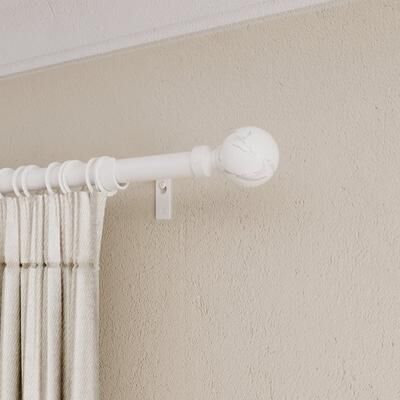
Acroma Adjustable Single Curtain Rod and Coordinating Finial SetElevate your space with minimalist elegance: Adjustable Single-Rod Curtain Rod. Tired of curtain rods that clash with your windows? Fed up with rods that restrict your every move? Our adjustable single-rod curtain rod will transform your experience.46,99 $*Shipping: 0,00 $Secure redirect to the provider
-
Acroma Adjustable Single Curtain Rod and Coordinating Finial SetElevate your space with minimalist elegance: Adjustable Single-Rod Curtain Rod. Tired of curtain rods that clash with your windows? Fed up with rods that restrict your every move? Our adjustable single-rod curtain rod will transform your experience.49,99 $*Shipping: 0,00 $Secure redirect to the provider
-
Can psychiatry do that?
Psychiatry can play a significant role in helping individuals with mental health issues by providing assessment, diagnosis, and treatment options. Psychiatrists are trained to understand the complexities of mental health conditions and can offer a range of interventions such as therapy, medication, and other forms of support. However, it is important to note that psychiatry is not a one-size-fits-all solution, and individuals may benefit from a combination of approaches tailored to their specific needs. Overall, psychiatry can be a valuable resource in supporting individuals on their mental health journey. **
-
What is forensic psychiatry?
Forensic psychiatry is a specialized branch of psychiatry that focuses on the interface between mental health and the law. Forensic psychiatrists work at the intersection of mental health and the legal system, providing evaluations, consultations, and expert testimony in legal cases. They assess individuals for mental competency, evaluate the impact of mental illness on criminal behavior, and provide insights into the mental state of individuals involved in legal proceedings. Their work helps inform legal decisions and outcomes by providing a deeper understanding of the psychological factors at play. **
-
What is there besides psychiatry?
Besides psychiatry, there are various other fields within the mental health profession such as psychology, counseling, social work, and psychiatric nursing. These fields focus on different aspects of mental health and well-being, offering a range of therapeutic approaches and interventions to support individuals in managing their mental health challenges. Additionally, alternative and complementary therapies such as art therapy, music therapy, and mindfulness practices can also play a role in promoting mental wellness and healing. **
-
Is it normal in psychiatry?
In psychiatry, what is considered "normal" can vary depending on the individual's cultural background, personal experiences, and societal norms. Psychiatrists typically assess a person's thoughts, feelings, and behaviors in relation to their functioning and overall well-being. It is important to remember that everyone experiences mental health challenges differently, and seeking help from a mental health professional can provide valuable support and guidance. **
* All prices are inclusive of VAT and, if applicable, plus shipping costs. The offer information is based on the details provided by the respective shop and is updated through automated processes. Real-time updates do not occur, so deviations can occur in individual cases. ** Note: Parts of this content were created by AI.