Buy wehavesamecolors.eu ?
We are moving the project
wehavesamecolors.eu .
Are you interested in purchasing the domain
wehavesamecolors.eu ?
domain@kv-gmbh.de · 0541-91531010
Buy wehavesamecolors.eu ?
How do you terminate a subprocess in Python?
To terminate a subprocess in Python, you can use the `terminate()` method of the `subprocess.Popen` object. This method sends a SIGTERM signal to the subprocess, asking it to terminate gracefully. Alternatively, you can use the `kill()` method to forcefully terminate the subprocess by sending a SIGKILL signal. It is important to handle any cleanup or resource release operations before terminating the subprocess to avoid any potential issues. **
What is the use of subprocess in Python?
Subprocess in Python is used to create new processes, connect to their input/output/error pipes, and obtain their return codes. It allows Python scripts to run external programs and interact with them. Subprocess is particularly useful for tasks such as calling system commands, running shell scripts, and managing multiple processes simultaneously within a Python program. It provides a way to execute commands outside of the Python interpreter and handle their input/output seamlessly. **


Similar search terms for Subprocess
Top-Angebote
Products related to Subprocess:
-
Coordinating Flat Waffle Weave Dish Cloths, Set Of 12 Dish Cloth by T-fal in RedThe all-purpose all-star of any household, this set of 12 T-fal Solid and Stripe Waffle Kitchen Towels ensures a dependable resource is always close at hand. Well-crafted with 100% cotton, these highly absorbent cloths are highlighted by a wondrous...20,99 $*Shipping: 10,98 $Secure redirect to the provider
-
Loedds Modern Cloud-Shaped Sofa Set with Wavy Backrests, Coordinating Throw Pillows and Spring Seats, IvoryDescription Bring coordinated seating into your room with this sofa set. The individual pieces create a shared visual style while letting you arrange the seating around the activities and space in your home.1629,99 $*Shipping: 0,00 $Secure redirect to the provider
-
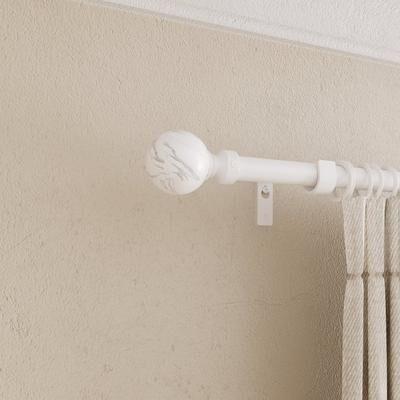
Acroma Adjustable Single Curtain Rod and Coordinating Finial SetElevate your space with minimalist elegance: Adjustable Single-Rod Curtain Rod. Tired of curtain rods that clash with your windows? Fed up with rods that restrict your every move? Our adjustable single-rod curtain rod will transform your experience.49,99 $*Shipping: 0,00 $Secure redirect to the provider



-
How does the Python subprocess block the main thread?
The Python subprocess module can block the main thread when using the `subprocess.run()` function without specifying the `stdout` or `stderr` arguments. By default, these arguments are set to `subprocess.PIPE`, which means that the standard output and error streams of the subprocess are captured and stored in memory. This can cause the main thread to block while waiting for the subprocess to finish and the captured output to be read. To avoid blocking the main thread, you can use the `subprocess.Popen` class and manage the input and output streams manually, or use the `subprocess.run()` function with the `stdout` and `stderr` arguments set to `subprocess.DEVNULL` to discard the output. **
-
How do I redirect the output of a subprocess to a file in Python?
You can redirect the output of a subprocess to a file in Python by using the `subprocess` module. First, you would open the file in write mode using the `open()` function. Then, you can use the `subprocess.Popen()` function to run the command and specify the `stdout` parameter to be the file object. This will redirect the standard output of the subprocess to the file. Finally, you can use the `communicate()` method to wait for the subprocess to finish and close the file. **
-
How are coordinating conjunctions formed?
Coordinating conjunctions are formed by joining two independent clauses or words together. They are typically short words such as "and," "but," "or," "nor," "for," "so," and "yet." These conjunctions are used to connect words, phrases, or clauses that have equal importance in a sentence. **
-
What does coordination or coordinating mean?
Coordination or coordinating refers to the process of organizing, synchronizing, and harmonizing different activities or efforts to achieve a common goal. It involves ensuring that all elements work together smoothly and efficiently towards a shared objective. Effective coordination is essential in various settings, such as businesses, organizations, and teams, to maximize productivity and achieve desired outcomes. **


What are coordinating and subordinating conjunctions?
Coordinating conjunctions are words that connect two independent clauses or words of equal importance in a sentence, such as "and," "but," "or," "nor," "for," "so," and "yet." They are used to join elements that are grammatically equal. Subordinating conjunctions, on the other hand, are words that connect an independent clause with a dependent clause, indicating a relationship of dependence or hierarchy between the two clauses. Examples of subordinating conjunctions include "because," "although," "since," "while," "if," and "when." **
Is it a subordinating or coordinating conjunction?
The word "because" is a subordinating conjunction. It introduces a dependent clause and connects it to an independent clause, indicating a cause-and-effect relationship. Subordinating conjunctions like "because" help to show the relationship between the two clauses and indicate which is more important. **
Top-Angebote
Products related to Subprocess:
-
Neositrin Complementary Shampoo 100 mlHealth and Beauty Shampoos Neositrin Complementary Shampoo 100 ml Neositrín Shampoo, with quassia amara extract, easily removes lice and nits, leaving hair clean and shiny. It has a pleasant scent and is hypoallergenic.11,28 £*Shipping: 3,99 £Secure redirect to the provider
-
Acroma Adjustable Single Curtain Rod and Coordinating Finial SetElevate your space with minimalist elegance: Adjustable Single-Rod Curtain Rod. Tired of curtain rods that clash with your windows? Fed up with rods that restrict your every move? Our adjustable single-rod curtain rod will transform your experience.46,99 $*Shipping: 0,00 $Secure redirect to the provider
-
Coordinating Flat Waffle Weave Dish Cloths, Set Of 12 Dish Cloth by T-fal in RedThe all-purpose all-star of any household, this set of 12 T-fal Solid and Stripe Waffle Kitchen Towels ensures a dependable resource is always close at hand. Well-crafted with 100% cotton, these highly absorbent cloths are highlighted by a wondrous...20,99 $*Shipping: 10,98 $Secure redirect to the provider
-
Loedds Modern Cloud-Shaped Sofa Set with Wavy Backrests, Coordinating Throw Pillows and Spring Seats, IvoryDescription Bring coordinated seating into your room with this sofa set. The individual pieces create a shared visual style while letting you arrange the seating around the activities and space in your home.1629,99 $*Shipping: 0,00 $Secure redirect to the provider
-
How do you terminate a subprocess in Python?
To terminate a subprocess in Python, you can use the `terminate()` method of the `subprocess.Popen` object. This method sends a SIGTERM signal to the subprocess, asking it to terminate gracefully. Alternatively, you can use the `kill()` method to forcefully terminate the subprocess by sending a SIGKILL signal. It is important to handle any cleanup or resource release operations before terminating the subprocess to avoid any potential issues. **
-
What is the use of subprocess in Python?
Subprocess in Python is used to create new processes, connect to their input/output/error pipes, and obtain their return codes. It allows Python scripts to run external programs and interact with them. Subprocess is particularly useful for tasks such as calling system commands, running shell scripts, and managing multiple processes simultaneously within a Python program. It provides a way to execute commands outside of the Python interpreter and handle their input/output seamlessly. **
-
How does the Python subprocess block the main thread?
The Python subprocess module can block the main thread when using the `subprocess.run()` function without specifying the `stdout` or `stderr` arguments. By default, these arguments are set to `subprocess.PIPE`, which means that the standard output and error streams of the subprocess are captured and stored in memory. This can cause the main thread to block while waiting for the subprocess to finish and the captured output to be read. To avoid blocking the main thread, you can use the `subprocess.Popen` class and manage the input and output streams manually, or use the `subprocess.run()` function with the `stdout` and `stderr` arguments set to `subprocess.DEVNULL` to discard the output. **
-
How do I redirect the output of a subprocess to a file in Python?
You can redirect the output of a subprocess to a file in Python by using the `subprocess` module. First, you would open the file in write mode using the `open()` function. Then, you can use the `subprocess.Popen()` function to run the command and specify the `stdout` parameter to be the file object. This will redirect the standard output of the subprocess to the file. Finally, you can use the `communicate()` method to wait for the subprocess to finish and close the file. **
Similar search terms for Subprocess
-
Acroma Adjustable Single Curtain Rod and Coordinating Finial SetElevate your space with minimalist elegance: Adjustable Single-Rod Curtain Rod. Tired of curtain rods that clash with your windows? Fed up with rods that restrict your every move? Our adjustable single-rod curtain rod will transform your experience.49,99 $*Shipping: 0,00 $Secure redirect to the provider
-
Acroma Adjustable Single Curtain Rod and Coordinating Finial SetElevate your space with minimalist elegance: Adjustable Single-Rod Curtain Rod. Tired of curtain rods that clash with your windows? Fed up with rods that restrict your every move? Our adjustable single-rod curtain rod will transform your experience.40,99 $*Shipping: 0,00 $Secure redirect to the provider
-
Acroma Adjustable Single Curtain Rod and Coordinating Finial SetElevate your space with minimalist elegance: Adjustable Single-Rod Curtain Rod. Tired of curtain rods that clash with your windows? Fed up with rods that restrict your every move? Our adjustable single-rod curtain rod will transform your experience.48,49 $*Shipping: 0,00 $Secure redirect to the provider
-
How are coordinating conjunctions formed?
Coordinating conjunctions are formed by joining two independent clauses or words together. They are typically short words such as "and," "but," "or," "nor," "for," "so," and "yet." These conjunctions are used to connect words, phrases, or clauses that have equal importance in a sentence. **
-
What does coordination or coordinating mean?
Coordination or coordinating refers to the process of organizing, synchronizing, and harmonizing different activities or efforts to achieve a common goal. It involves ensuring that all elements work together smoothly and efficiently towards a shared objective. Effective coordination is essential in various settings, such as businesses, organizations, and teams, to maximize productivity and achieve desired outcomes. **
-
What are coordinating and subordinating conjunctions?
Coordinating conjunctions are words that connect two independent clauses or words of equal importance in a sentence, such as "and," "but," "or," "nor," "for," "so," and "yet." They are used to join elements that are grammatically equal. Subordinating conjunctions, on the other hand, are words that connect an independent clause with a dependent clause, indicating a relationship of dependence or hierarchy between the two clauses. Examples of subordinating conjunctions include "because," "although," "since," "while," "if," and "when." **
-
Is it a subordinating or coordinating conjunction?
The word "because" is a subordinating conjunction. It introduces a dependent clause and connects it to an independent clause, indicating a cause-and-effect relationship. Subordinating conjunctions like "because" help to show the relationship between the two clauses and indicate which is more important. **
* All prices are inclusive of VAT and, if applicable, plus shipping costs. The offer information is based on the details provided by the respective shop and is updated through automated processes. Real-time updates do not occur, so deviations can occur in individual cases. ** Note: Parts of this content were created by AI.